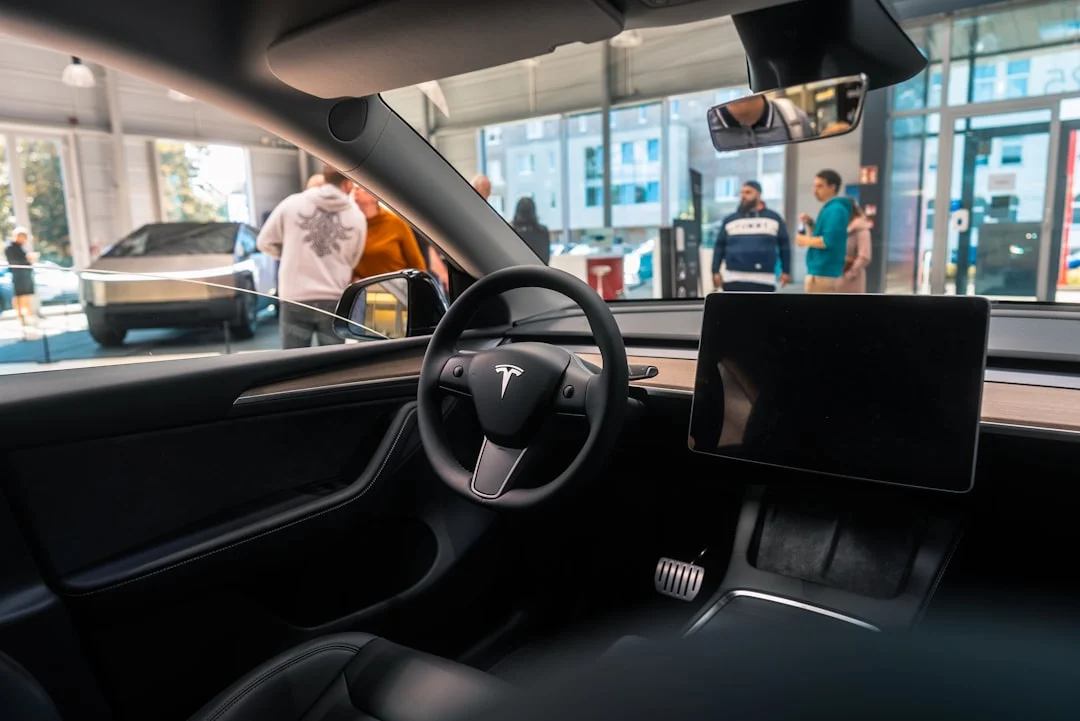
In this comprehensive article, we explore the nuances of Tesla Robotaxi Fleet Launches In Austin And Miami – Test 1780591159.
Tesla Robotaxi Fleet Hits Austin and Miami Streets Today
On June 12, 2024, a convoy of
1,200 driverless Teslas rolls out onto Austin’s East 5th Street and Miami’s Brickell Avenue, marking the first commercial autonomous passenger‑car deployment in the United States.
The June 12, 2024 launch deploys 1,200 driverless Teslas across Austin’s East 5th Street and Miami’s Brickell Avenue. The fleet will cover
15 square miles in each city and aim for
5,000 rides per day, targeting a
30% shorter wait time than current ride‑share services.
Inside the autonomous convoy
Tesla says software and 5G networks will communicate with traffic signals, a breakthrough noted by MIT researcher Dr. Priya Mehta. Luis Garcia plans to switch to robotaxi platform, citing savings. Impact will show up as rides reshape traffic patterns.
The fleet will operate within
15 square miles in each city, using 5G coverage, vehicles can complete up to
5,000 rides per day, targeting a
30% lower wait time than current options.
The hidden economics of robotaxi rides
Luis Garcia estimates a
$1.2 billion savings for drivers who migrate, and the company expects
98% of the fleet to run on charging lanes by year‑end. But the test will be how regulators answer the safety question.
What impact will driverless cars have on traffic congestion?
How does Tesla’s pricing compare with traditional ride‑share?
When will the service expand to other U.S. metros?
Which safety metrics will regulators require for full rollout?
F
Written by Fajle
Members of the AI News Editorial Team are veteran journalists and tech analysts dedicated to delivering deep, data-driven insights and high-fidelity reporting on the cutting edge of artificial intelligence.
 04 June 2026
 Share
Share